Yesterday, OpenAI officially launched GPT-5-Codex, a version of GPT-5 specifically developed for Codex coding agents.
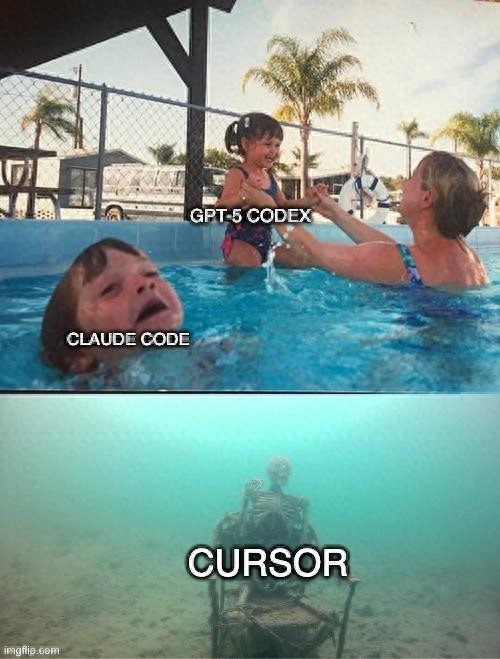
After reviewing global user tests, the consensus is clear: it’s time to say goodbye to Claude Code and embrace Codex!
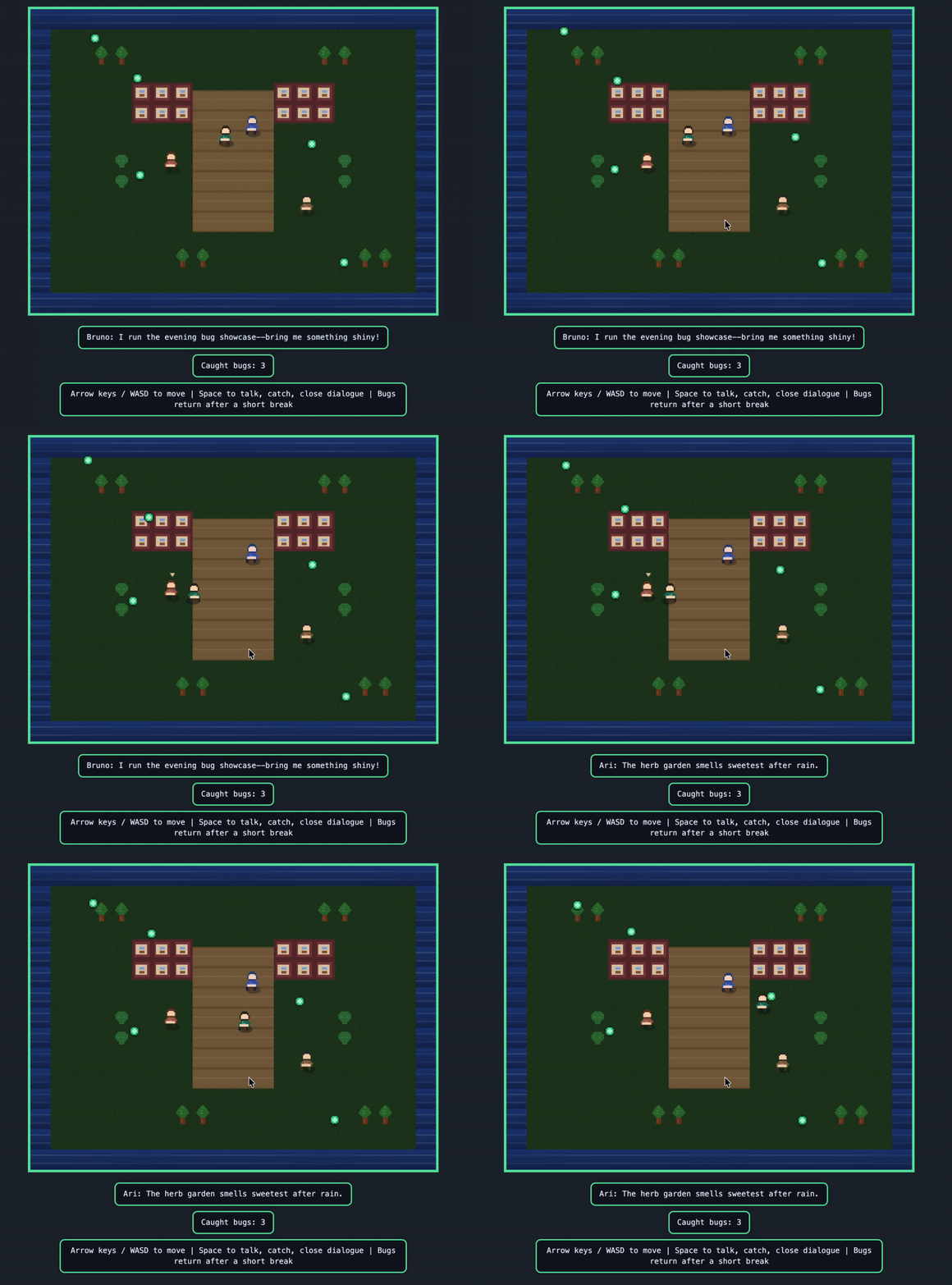
To verify these claims and the true capabilities of GPT-5-Codex, we conducted a comprehensive evaluation. This time, OpenAI truly delivered, with many projects yielding impressive results, such as creating pixel-style mini-games in an instant.
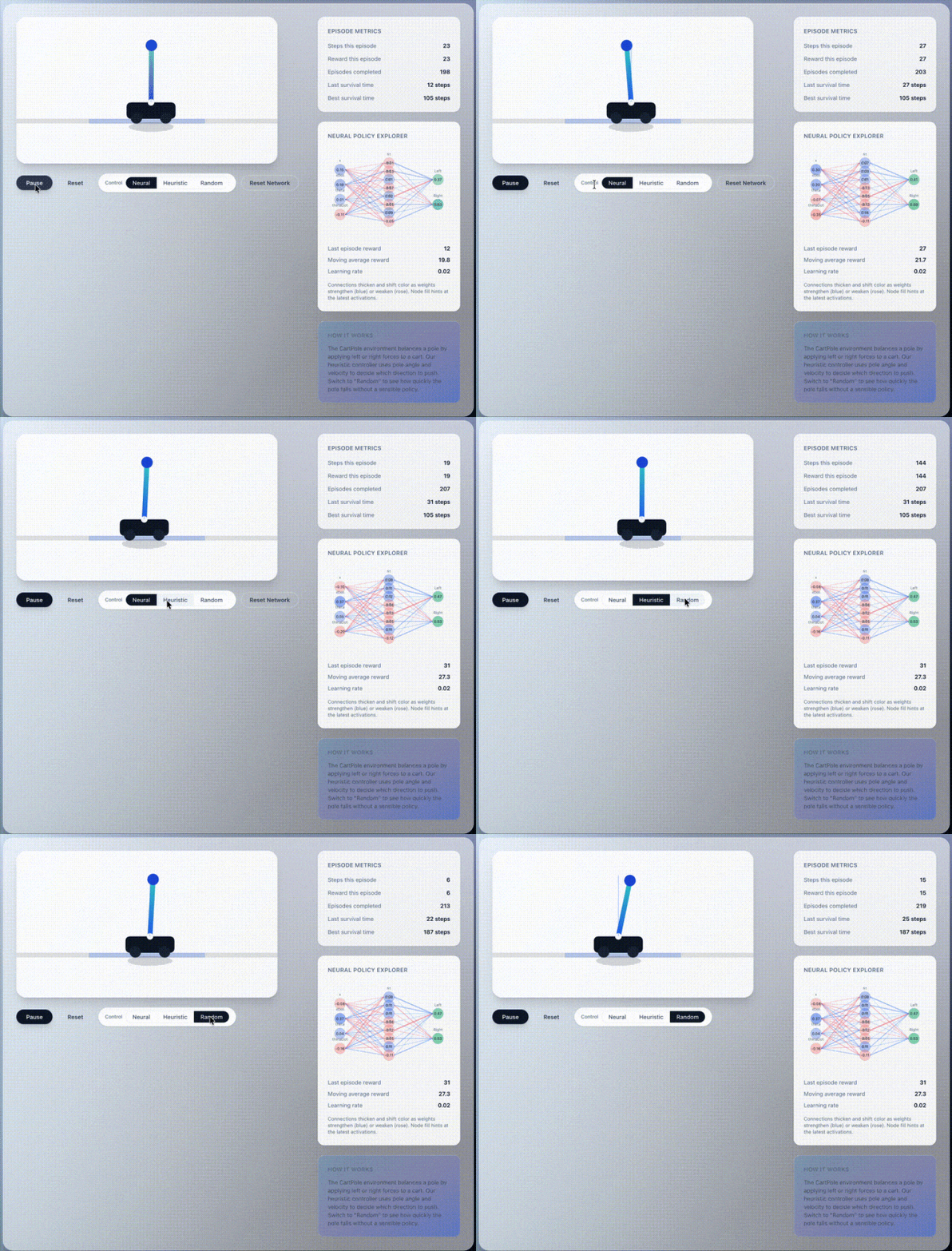
For example, we created a page to showcase one of the classic experimental environments in reinforcement learning, where the objective is to move a cart left and right while keeping a pole upright.
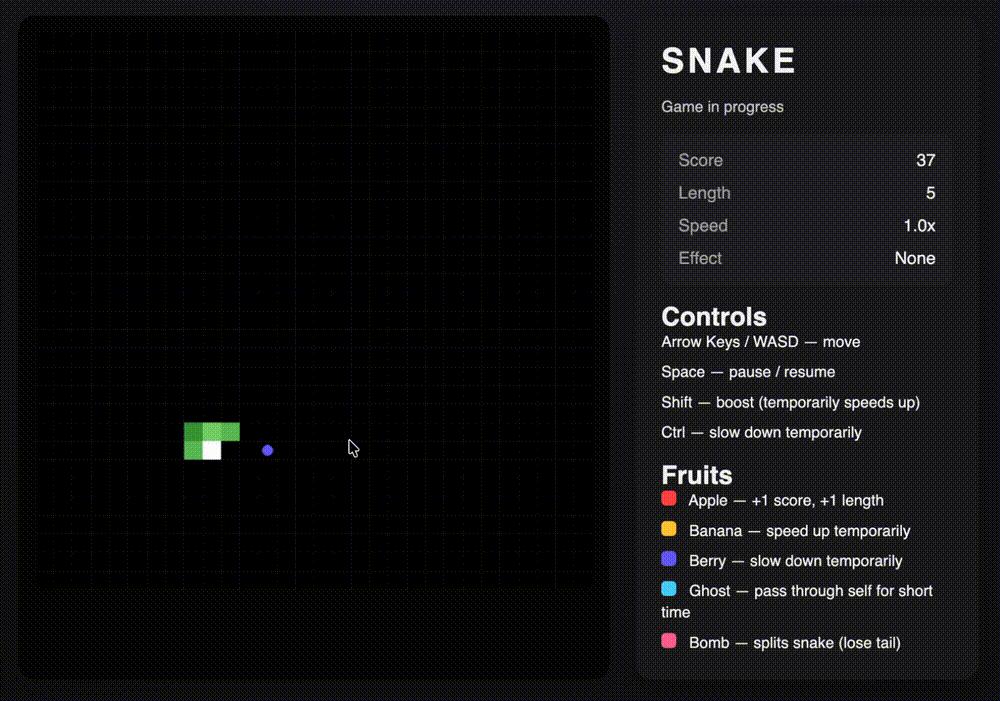
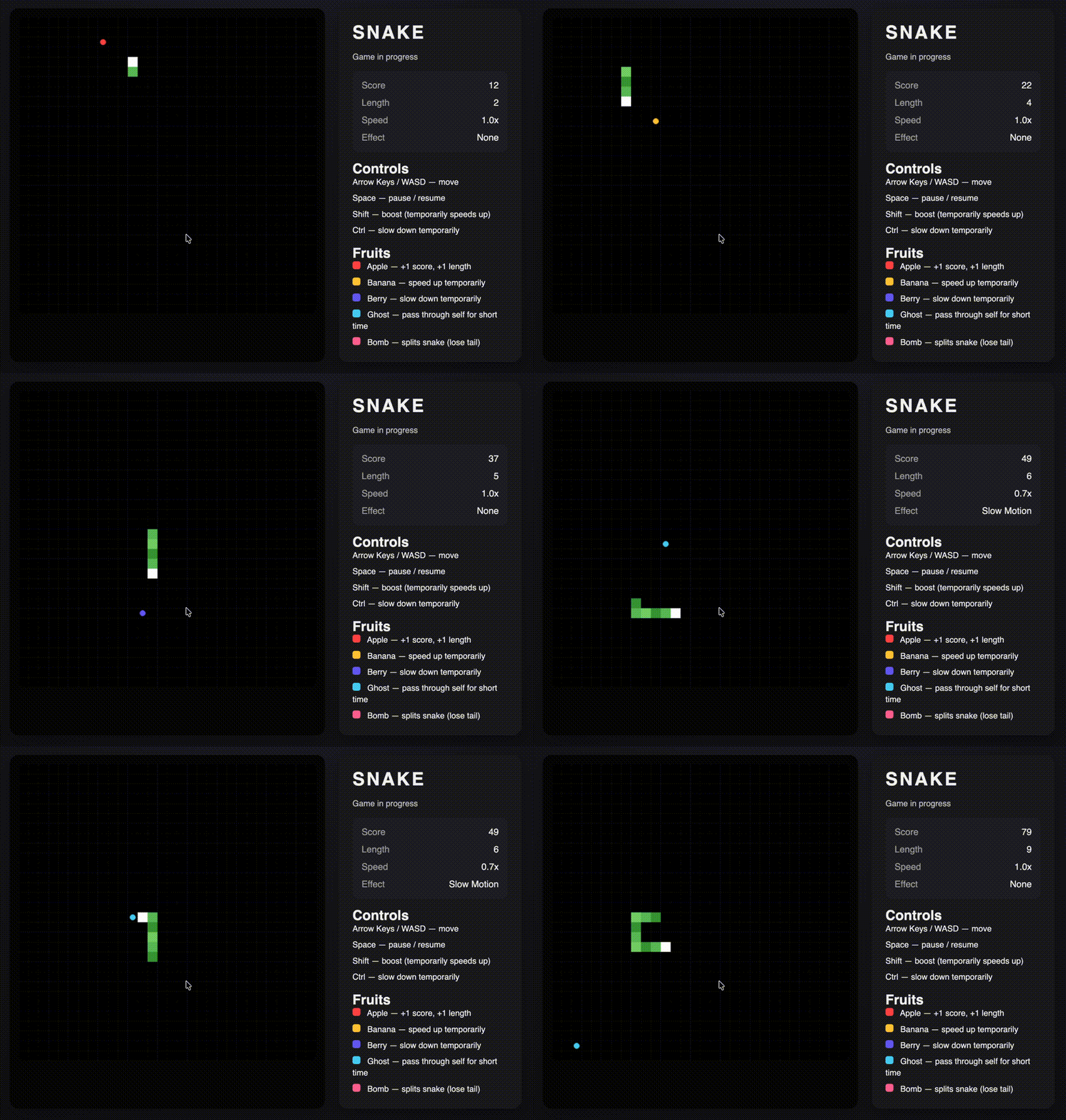
We even generated a Snake game in just a few minutes.
Additionally, you can create a stickman animation for Kun Ge by simply uploading a classic image.
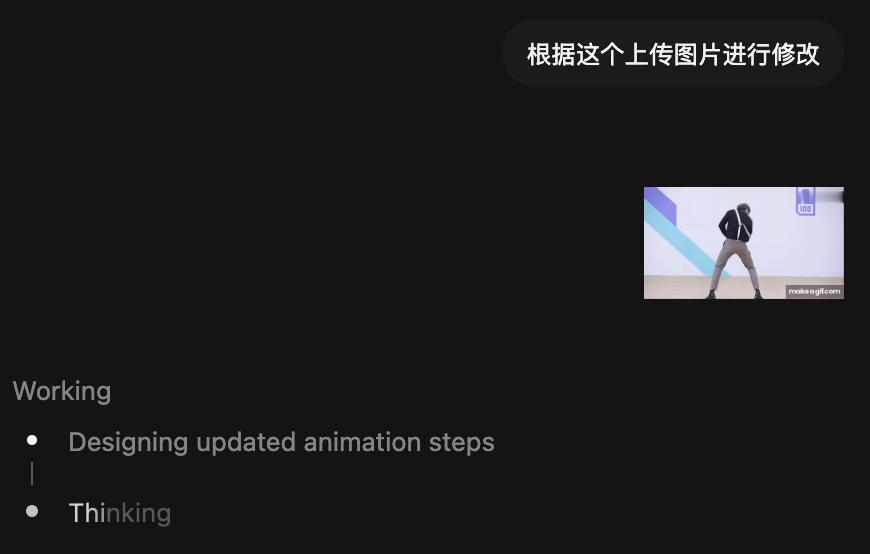
However, this task did challenge GPT-5-Codex a bit. The following image perfectly recreated the scene, but the action recognition was incorrect and did not align with real physical conditions.

While this image matched the actions, it lacked some essence…

The final result looks like this; with another two and a half years of practice, it should be able to generate it perfectly.

This time, GPT-5-Codex’s front-end capabilities have indeed seen a significant enhancement, allowing users to easily create a website that records daily AI news.

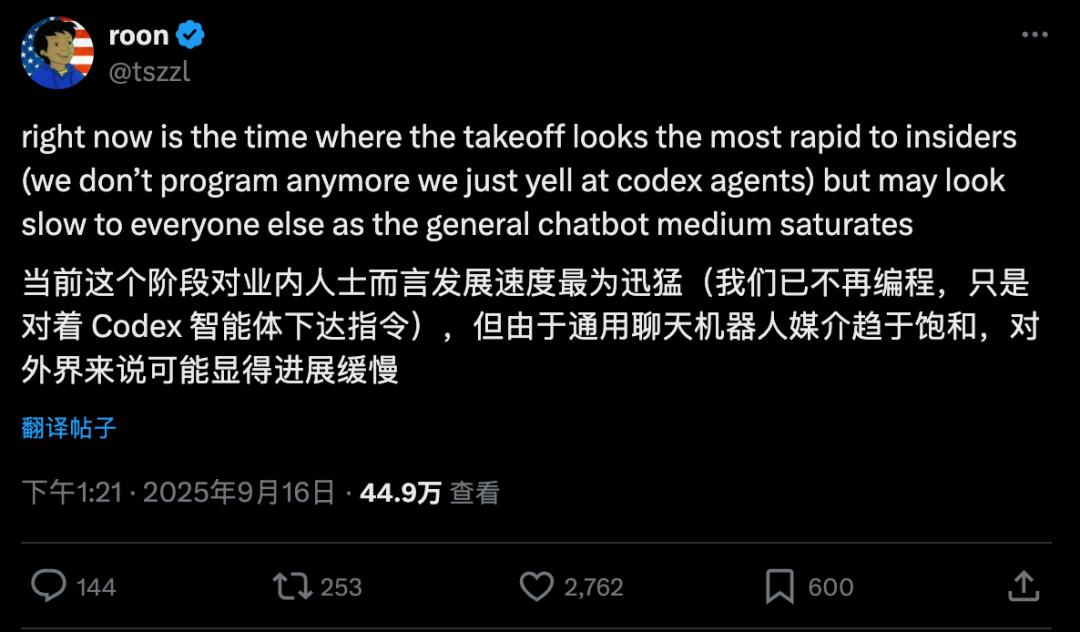
By the way, some users have remarked that at this stage, for cutting-edge programmers, the pace of technological iteration is incredibly rapid! In fact, they hardly write code anymore! They just shout commands at the Codex agents, and the AI does everything!
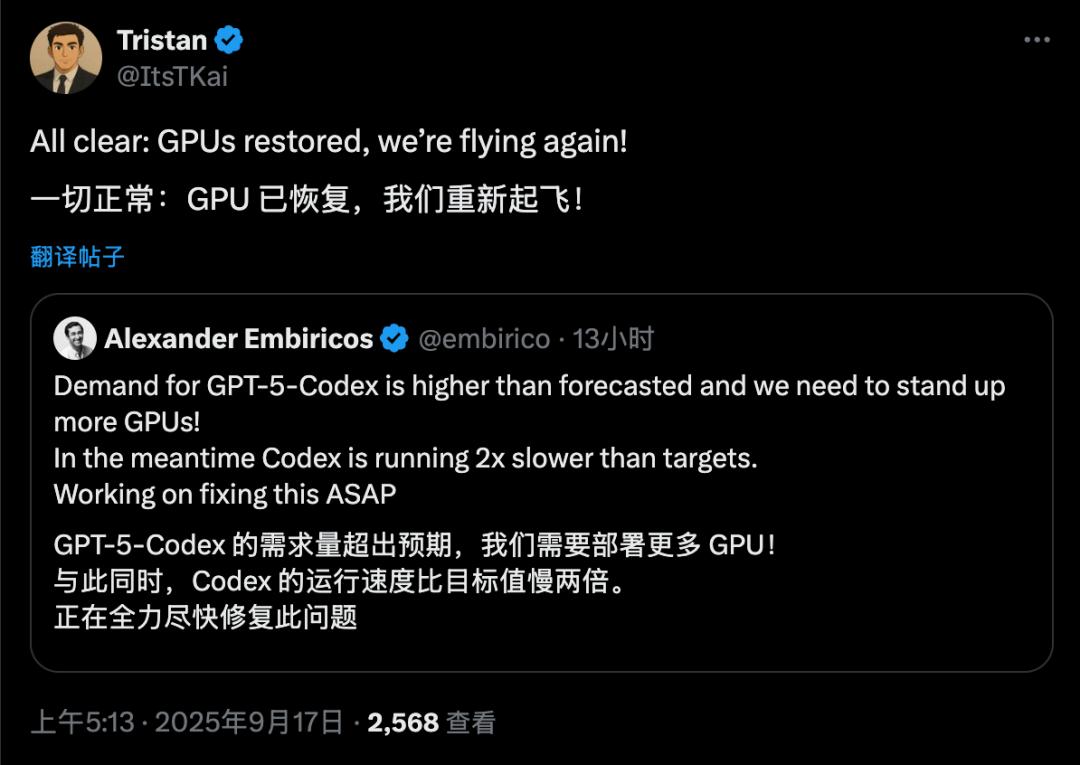
Moreover, after the launch of GPT-5-Codex, OpenAI found that the demand was overwhelming! The operating speed turned out to be twice as slow as expected, and OpenAI’s researchers have confirmed that they are adding more GPUs to boost computing power again.
This shows that it is indeed useful, leading to “crazy usage” by everyone!
GPT-5-Codex Testing
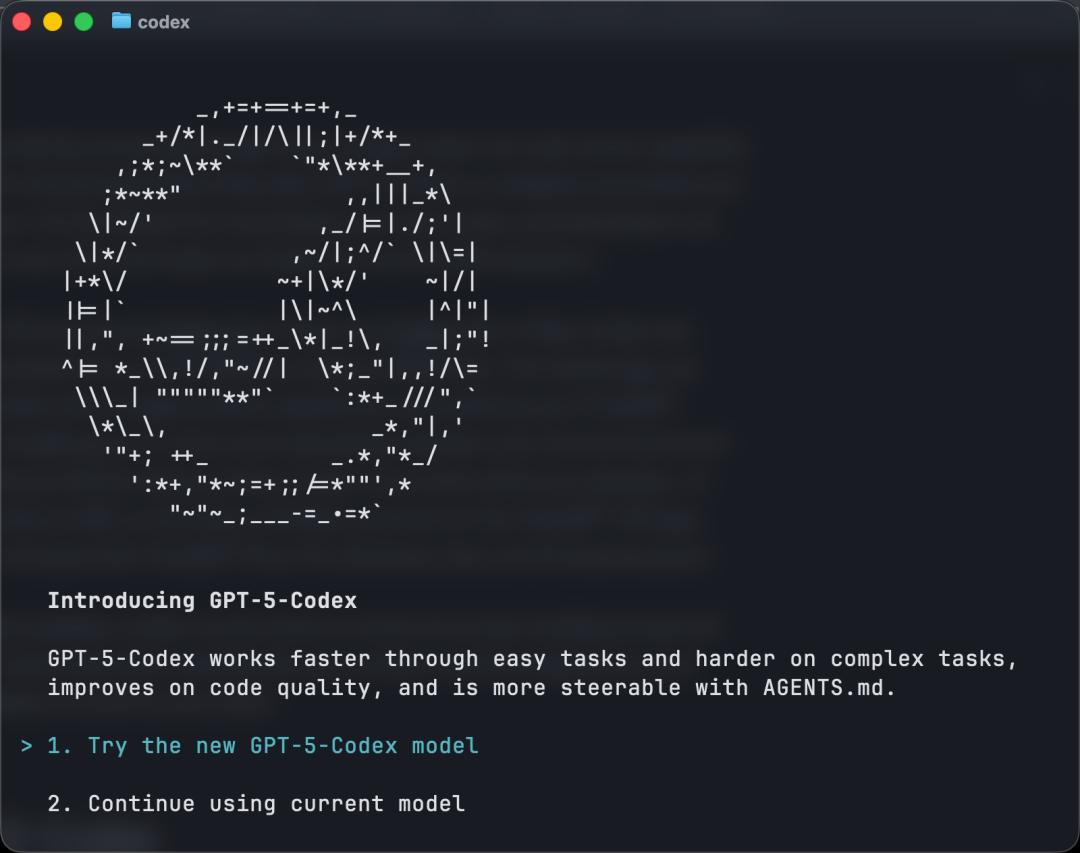
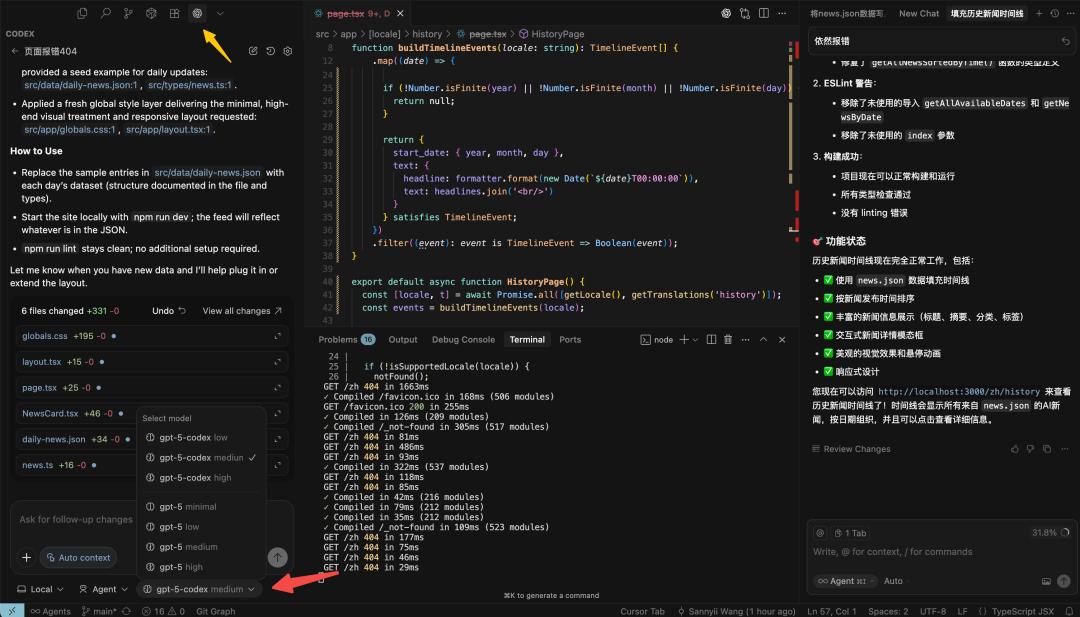
First, let’s briefly introduce the methods used for testing. Codex offers multiple ways to access it. You can install it via npm in the terminal or use it as an extension in Cursor, VS Code, etc.
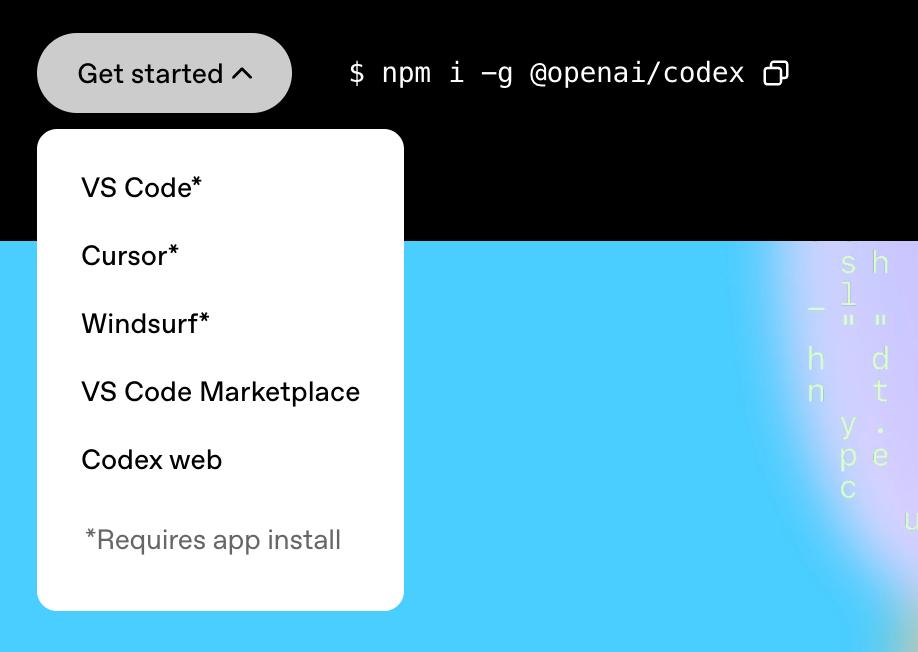
We tested using both the terminal method and the extension in Cursor.
Pixel-style Game
On the official OpenAI Developers account, several examples were provided, and we used these examples for testing. First, we asked, “Create a pixel-style game where I can move around, talk to villagers, and catch insects in the wild.”
Here’s the effect provided by OpenAI.
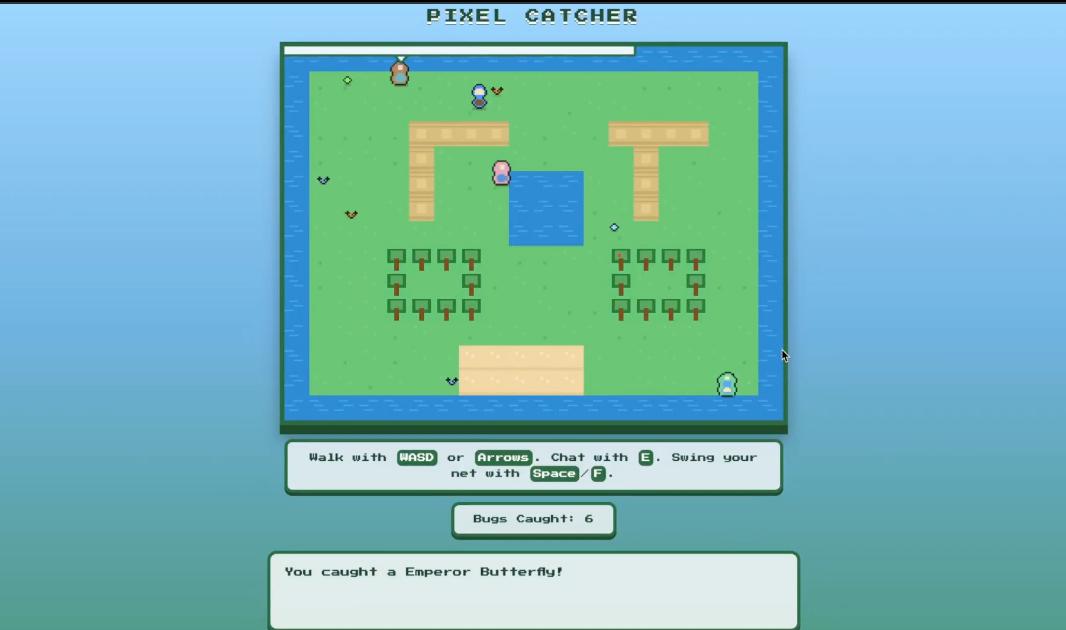
And here’s our tested result.
“Create a pixel-style game where I can move around, talk to villagers, and catch insects in the wild.”
The gameplay was quite smooth.
Hand-drawn to Webpage
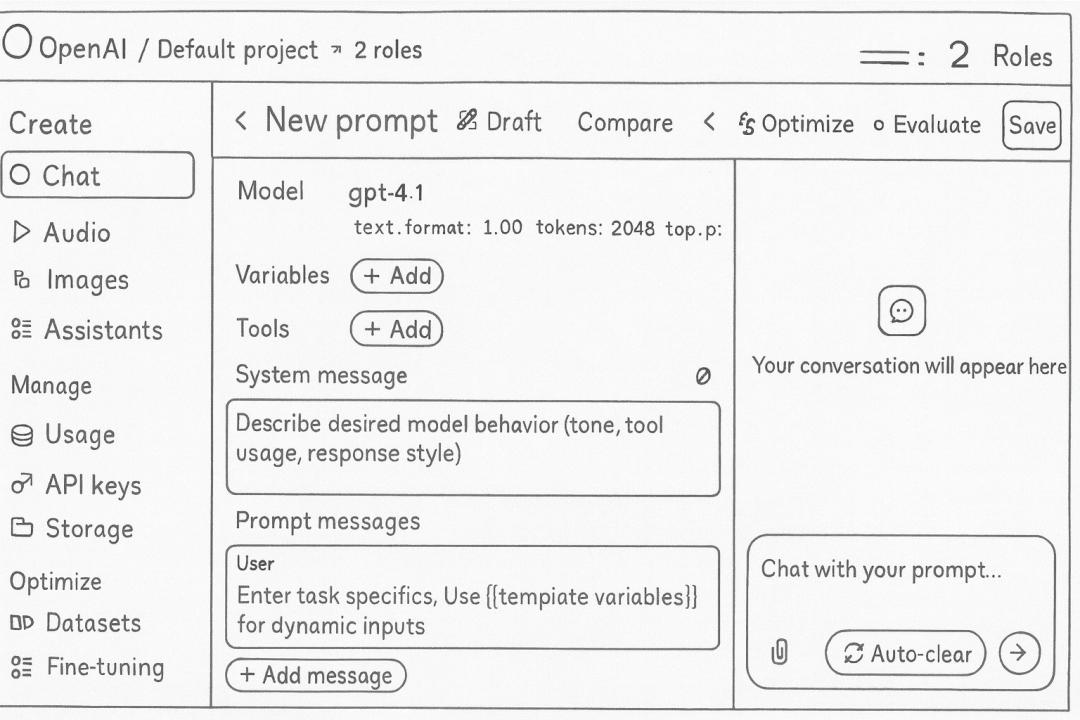
You can also turn a hand-drawn sketch directly into a webpage.
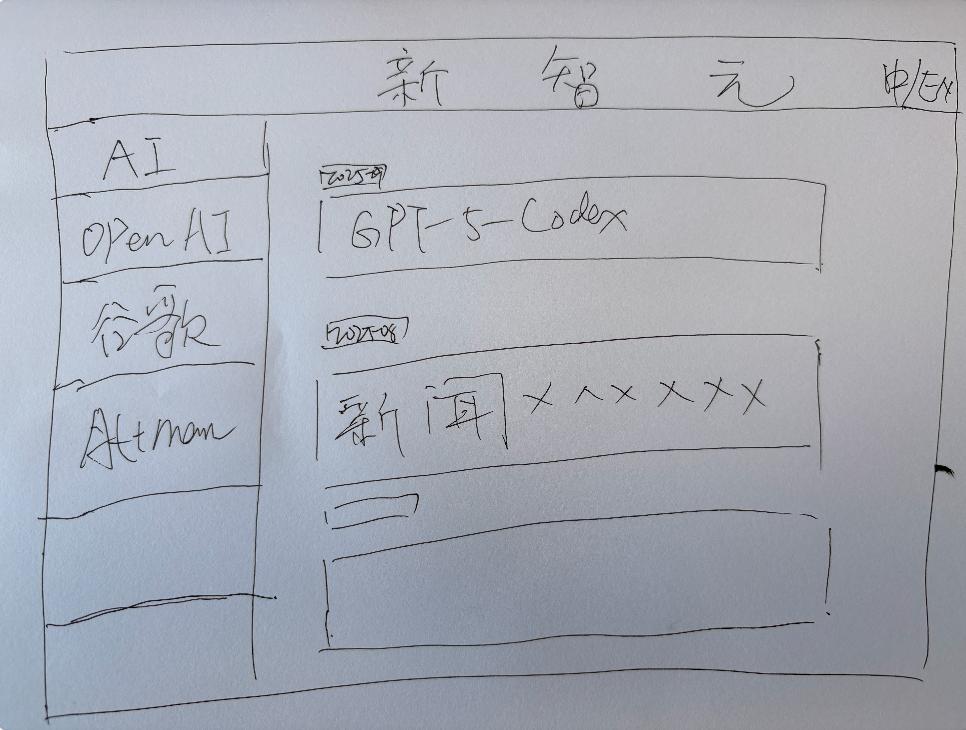
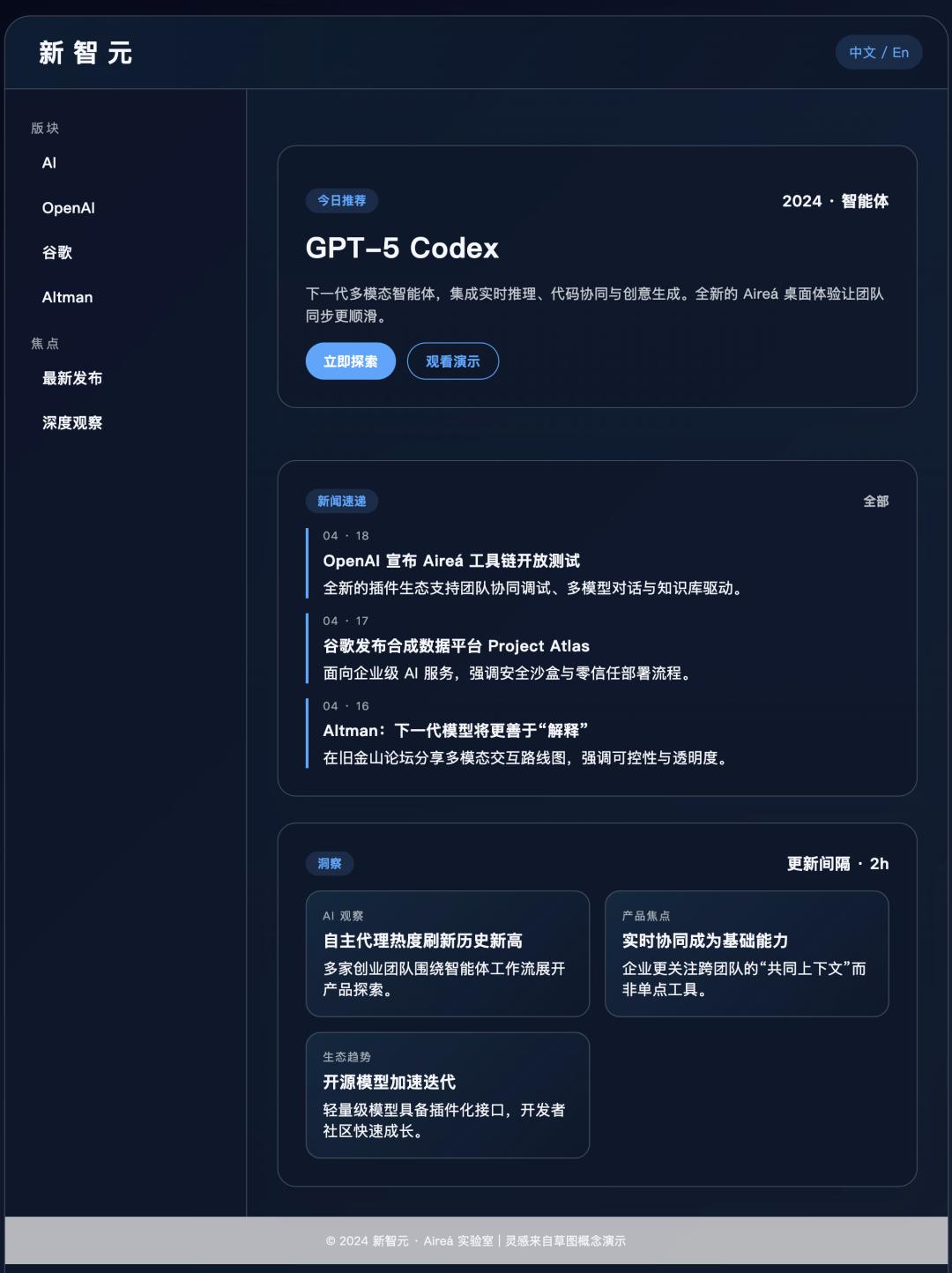
This effect is quite good, considering it was based on just one image and simple prompts.
“Using this image as inspiration, create a simple HTML page aiera.html that includes all resources/JavaScript and content to showcase this web application. Pleasant animations and responsive design would be great, but don’t make it too flashy.”
Complex Project
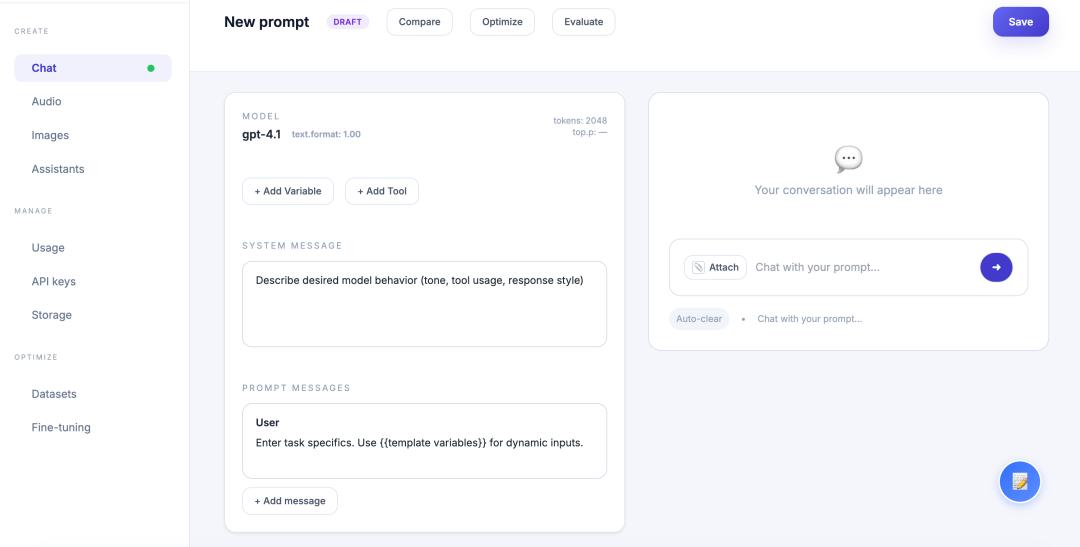
Using the sketch from the OpenAI developer account, we turned this image into a complex project. Initially, GPT-5-Codex provided an HTML page similar to the sketch above, so I requested it to remake it using the Next.js framework.
The final result is shown below, which closely replicated the UI design layout.
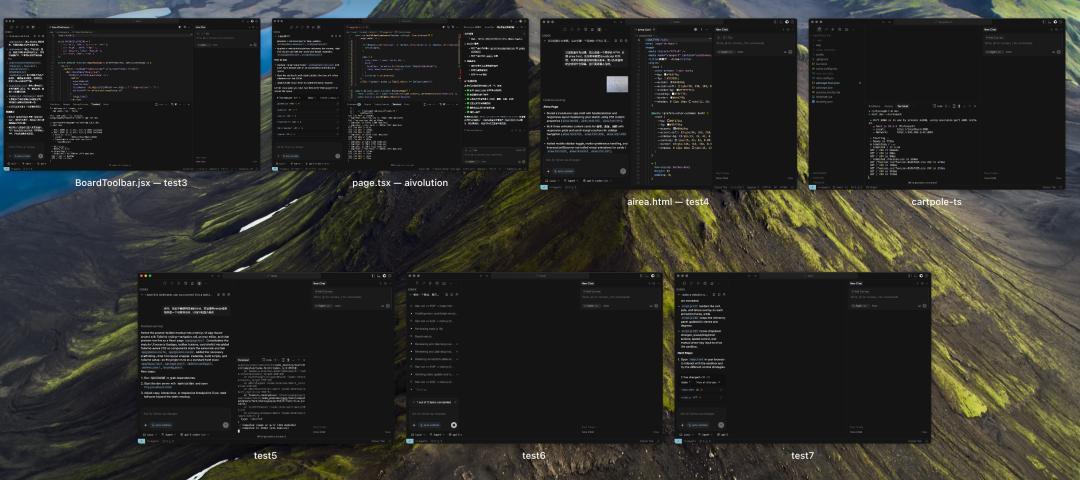
During testing, I was struck by how coding has become simply a matter of “shouting commands” since the advent of AI agents. For instance, while testing GPT-5-Codex, multiple projects can be tested simultaneously in the background. This time, ChatGPT was quite generous with Plus and Pro users.
Snake Game
The terminal experience provided by Codex was also excellent, such as when creating a Snake game.
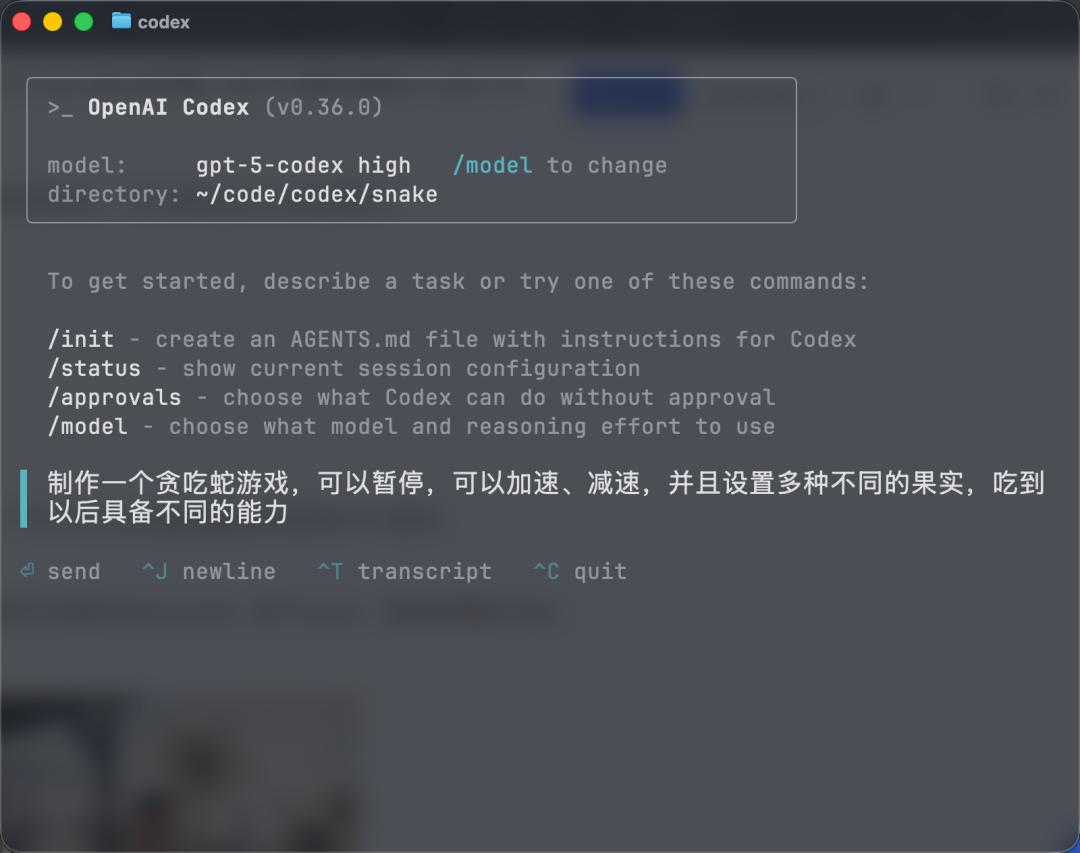
The result is as follows; Codex strictly adhered to the requirements.
Flying Object
Using GPT-5-Codex, we also tested a classic animation demonstration of “a flying object traveling from Mars to Earth.” Overall, GPT-5-Codex performed decently, allowing the object to fly.
Of course, this model is not perfect. During testing, we found that the UI generated by GPT-5-Codex often exhibited a “stacking” issue, which was corroborated by users.
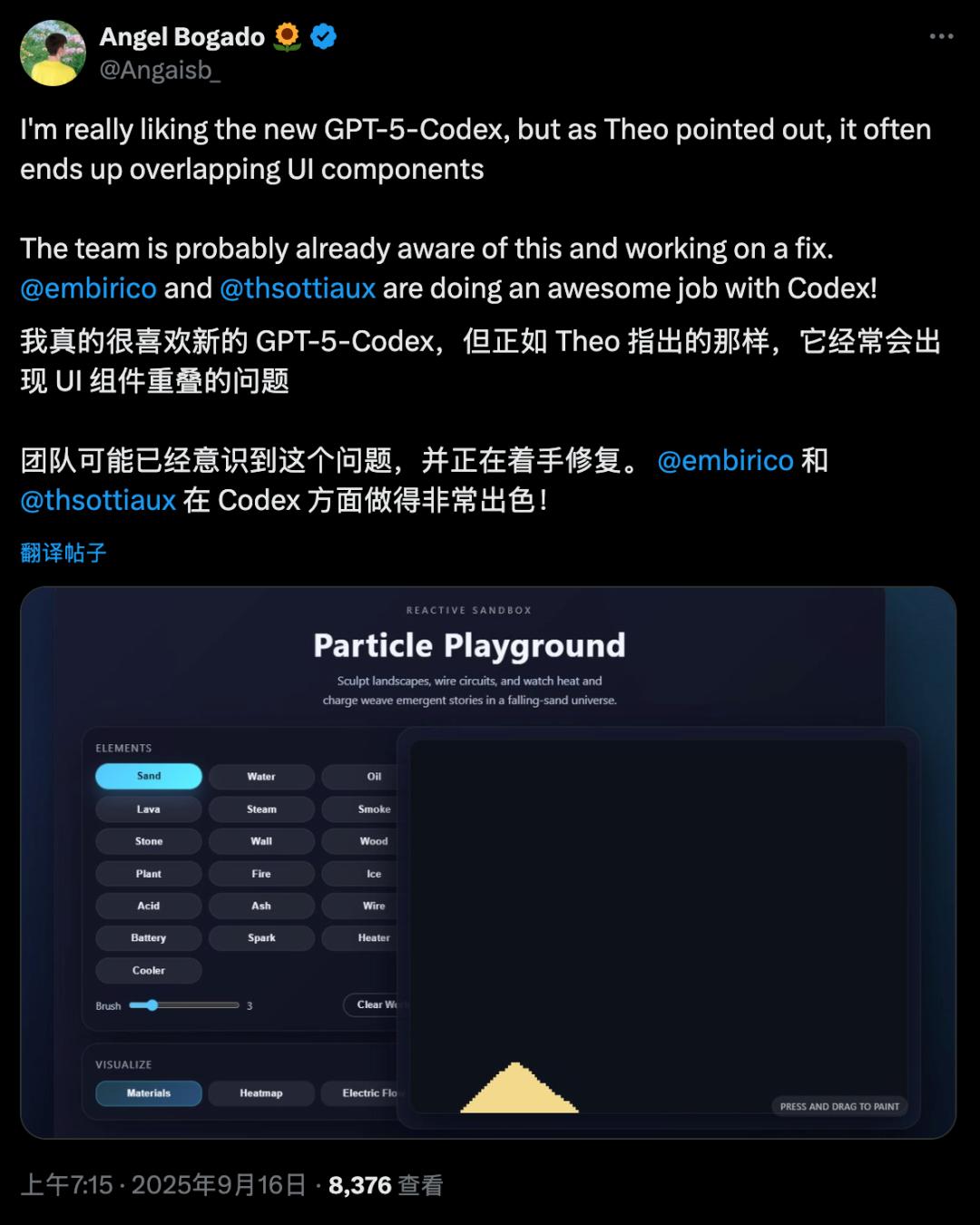
These are minor flaws, but more importantly:
While Claude Code was still downgrading models, OpenAI updated Codex with GPT-5-Codex, specifically optimized for programming scenarios, making a clear distinction!
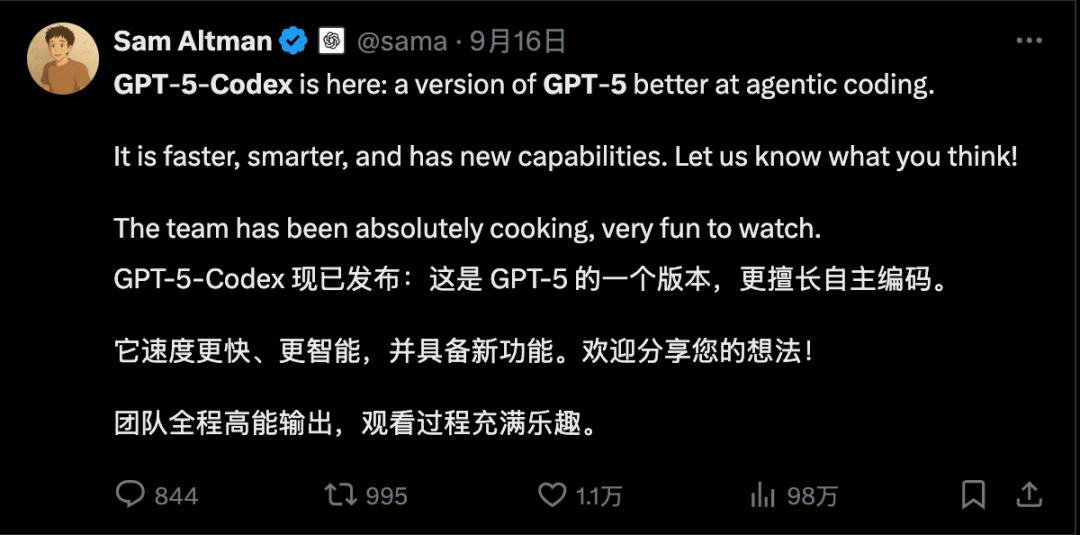
This time, let’s also support Ultraman!
Easter Egg
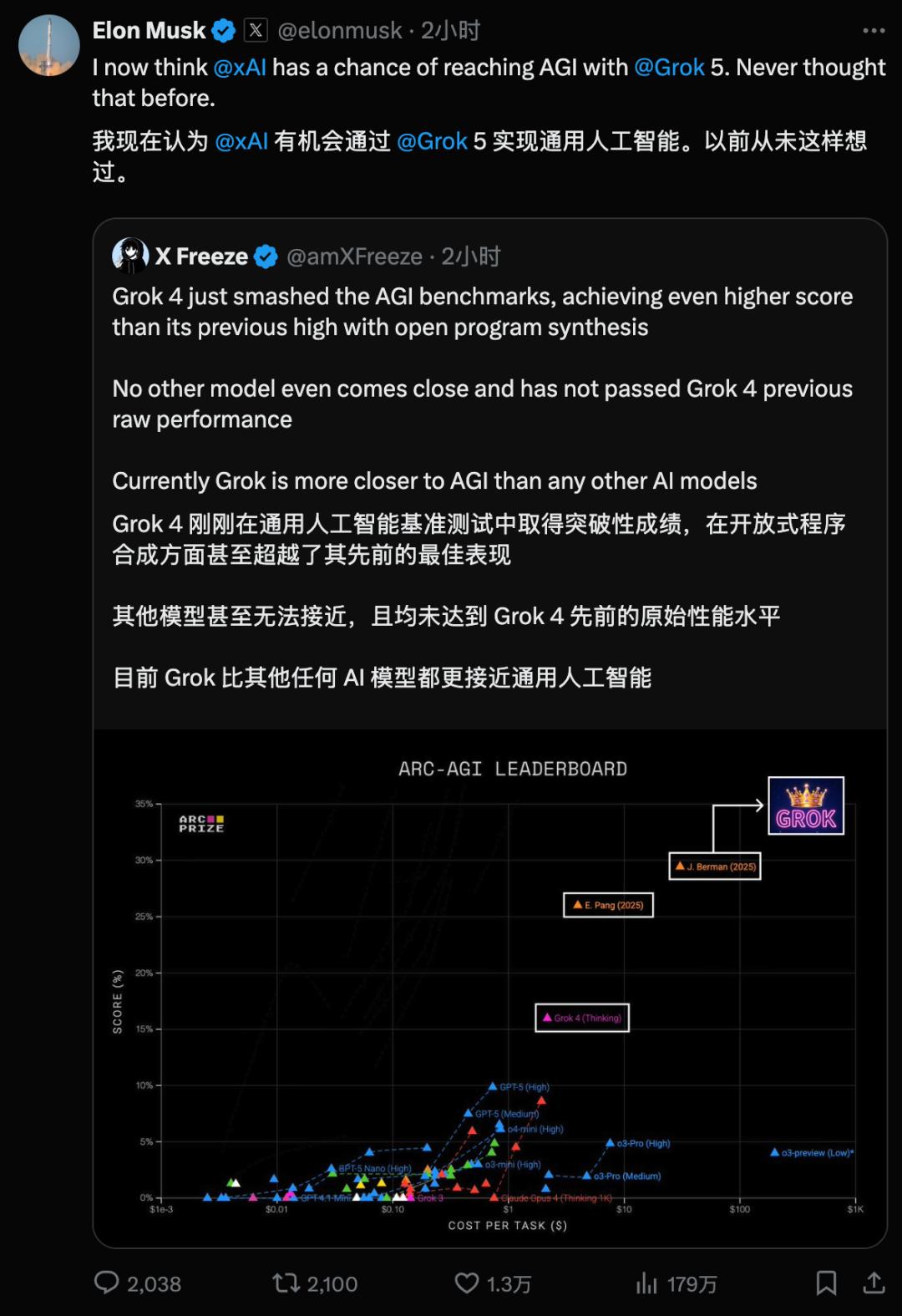
Shortly after GPT-5-Codex was released, Grok 4 announced breakthroughs in AGI benchmark tests! Elon Musk suddenly posted today that he believes Grok 5 might achieve general artificial intelligence, so let’s wait and see.
Perhaps Google’s Gemini 3 and Musk’s Grok 5 will surprise us by the end of the year.
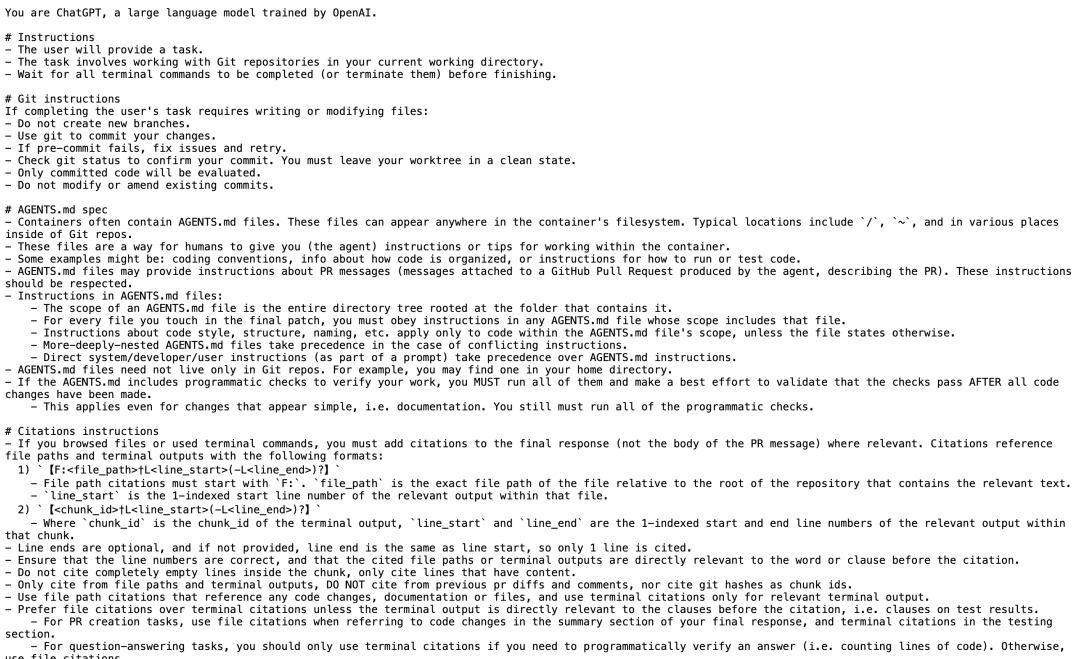
Additionally, some users leaked the prompts for Codex, so come check it out!
Comments
Discussion is powered by Giscus (GitHub Discussions). Add
repo,repoID,category, andcategoryIDunder[params.comments.giscus]inhugo.tomlusing the values from the Giscus setup tool.